

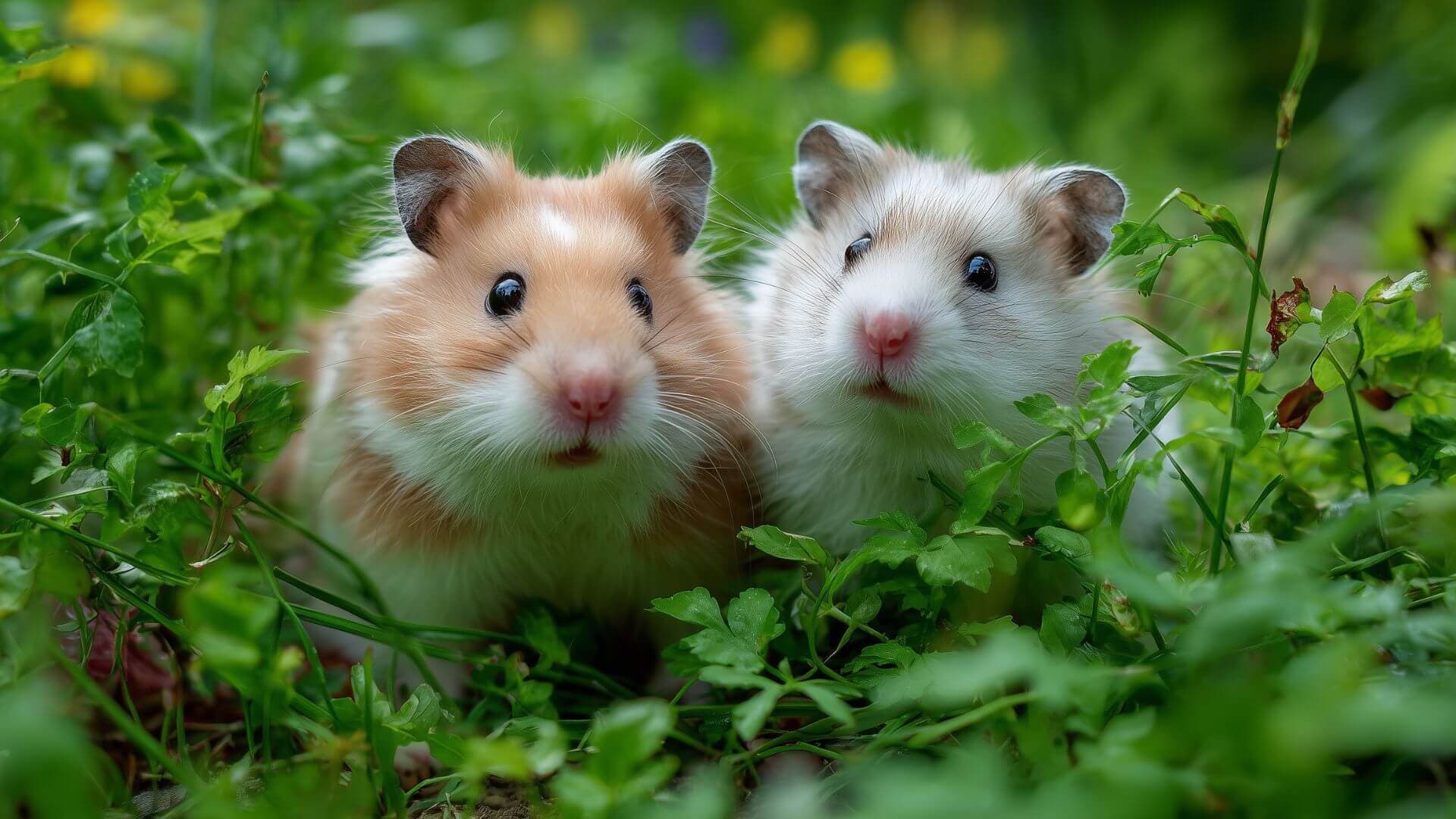
How Rodent Breeding Works
From profile to puppies - your rodent breeding journey in 4 simple steps
Create Your Pet's Profile
Set up a detailed profile with photos, health records, and pedigree information
Discover Perfect Matches
Browse verified breeding partners based on breed, location, and compatibility
Connect & Communicate
Message owners directly to discuss breeding plans and health certifications
Successful Breeding
Meet safely, complete breeding agreements, and welcome healthy puppies
Create Your Pet's Profile
Set up a detailed profile with photos, health records, and pedigree information
Discover Perfect Matches
Browse verified breeding partners based on breed, location, and compatibility
Connect & Communicate
Message owners directly to discuss breeding plans and health certifications
Successful Breeding
Meet safely, complete breeding agreements, and welcome healthy puppies
Why Choose Petmeetly for Rodent Breeding?
Join thousands of responsible rodent owners who trust us for quality breeding connections
Verified Profiles Only
Every breeder is verified, ensuring you connect with genuine, responsible pet owners.
Location-Based Matching
Find breeding partners near you to make meetings convenient and stress-free.
Smart Filtering
Customize your search with detailed filters for breed, age, health status, and more.
Direct Communication
Chat directly with pet owners to discuss all details before making any commitments.
Ready to Find Your Rodent's Perfect Match?
Join thousands of responsible rodent owners who've found quality breeding partners on Petmeetly.
Get Started NowSmall Pets Available for Breeding Near You
Connect with verified pet owners in your area for safe and ethical breeding

Gizmo
Guinea Pig

Gordis
Ferret

Terry
Dwarf Hamster

Mia
Common Rat mix

Nova
Dwarf Hamster
Find Stud Small Pets for Your Breeding Program
Connect with verified small pet owners and find the perfect stud male for your breeding program. Browse health-tested hamsters, guinea pigs, rats, and more.
What is a Stud Small Pet?
A stud small pet is an intact male used for breeding. Quality studs are healthy, free from respiratory disease, have good temperament, and meet breed variety standards for their species.
Why Use Stud Services?
Access to diverse bloodlines improves genetic health and reduces inbreeding. Professional breeders provide health-tested males and guidance on species-specific breeding requirements.
Finding Quality Studs
Look for studs from breeders who maintain health records, provide lineage information, screen for species-specific issues (respiratory disease, parasites), and have proven breeding success.
Stud Small Pet Requirements by Species
How to Breed Your Rodent Responsibly
A step-by-step guide to ethical small pet breeding, from health checks to finding the perfect mate and caring for babies.
Health Check Before Breeding
Before breeding your small pet, ensure both animals are in excellent health. Respiratory disease is particularly common and dangerous in rodents.
- No respiratory symptoms (sneezing, discharge)
- Free from parasites (mites, lice)
- Proper body weight for species
- No tumors, abscesses, or wounds
Species-Specific Age Guide
Mice: 6-8 weeks. Hamsters/Rats/Gerbils: 3-4 months. Guinea pigs: 4-8 months by sex. Chinchillas: 8-12 months. Always research your specific species!
Finding the Right Breeding Partner
Select a mate of the same species with compatible genetics. Some color combinations can be lethal in certain species.
- Same species only - never mix types
- Research color genetics carefully
- Avoid breeding related animals
- Choose calm, friendly temperaments
Important Warning
Some hamster color genes (like roan x roan) produce lethal combinations. Guinea pig dalmatian x dalmatian causes lethal white. Always research before breeding!
The Breeding & Gestation Process
Gestation varies greatly by species. Prepare appropriate nesting materials and separate housing as needed.
- Provide quiet, stress-free environment
- Extra nesting material before birth
- Separate males if needed for species
- Monitor without disturbing mother
Gestation Periods
Hamsters: 16-18 days. Mice: 19-21 days. Rats: 21-23 days. Gerbils: 24-26 days. Guinea pigs: 59-72 days. Chinchillas: 111 days.
Baby Care & Placement
Responsible breeders ensure babies are fully weaned, handled for socialization, and placed with screened families.
- Wean at species-appropriate age (3-8 weeks)
- Handle gently for socialization
- Separate by sex before maturity
- Screen potential homes carefully
Average Litter Sizes
Hamsters: 4-12 pups. Guinea pigs: 2-4 pups. Rats: 6-12 pups. Mice: 5-12 pups. Gerbils: 3-7 pups. Chinchillas: 1-3 kits.
Find the Perfect Rodent for Breeding
Browse 3,000+ small pets from 12+ species available for breeding partnerships. Find healthy hamsters, guinea pigs, rats, mice, and more from verified breeders.
Popular Small Pet Species for Breeding
Syrian Hamster
Most PopularSolitary, friendly, many colors
Guinea Pig
High DemandSocial, vocal, gentle pets
Fancy Rat
Growing FastIntelligent, social, trainable
Dwarf Hamster
TrendyTiny, active, can be social
Chinchilla
PremiumLong-lived, soft fur, active
Gerbil
ClassicSocial, active, clean pets
Fancy Mouse
SpecialtySocial, many varieties
Hedgehog
ExoticUnique, nocturnal, solitary
Why Find Breeding Small Pets on Petmeetly
Verified Profiles
All breeders undergo verification. Health records and breeding experience are reviewed for authenticity.
Direct Communication
Message breeders directly, ask about lineage and health, and arrange meetings securely on our platform.
Ethical Standards
We promote responsible breeding practices and connect breeders committed to small pet welfare.
Your Small Pet Breeding Journey Roadmap
Follow these essential steps for safe, ethical, and successful small pet breeding
Health Check
Screen for respiratory & parasites
Right Timing
Species-specific age requirements
Perfect Match
Same species, good temperament
Plan Ahead
Prepare supplies & find homes
Health Requirements
Start with Health
Healthy parents produce healthy babies. Respiratory diseases are particularly common in rodents and can be passed to offspring, so thorough health screening is essential.
Perfect Timing
Timing varies greatly by species. While mice can breed at 6-8 weeks, chinchillas need 8-12 months to mature. Understanding your species' requirements is crucial.
Timing Guidelines
Perfect Match Criteria
Find Your Perfect Match
The right breeding partner must be the same species with compatible genetics. Some hamster color combinations are lethal, so research your specific variety carefully.
Plan for Success
Preparation is key to successful breeding. Have separate cages ready for males and babies, and ensure you have homes lined up for all potential offspring.
Essential Preparation
Essential Best Practices
Species Knowledge
Understand the specific needs and behaviors of your species
Record Keeping
Maintain detailed breeding records for health tracking
Responsible Homing
Screen potential homes carefully for proper care
The Golden Rule
of Ethical Breeding
Every breeding decision should prioritize the health, temperament, and welfare of small pets above all else.
Breeding Information by Species
Quick reference guide for different small pet species
Hamsters
Syrian hamsters must be housed alone after weaning
Guinea Pigs
Pups are born fully furred with eyes open
Rats
Social animals that do well in same-sex groups
Mice
Can breed again immediately after giving birth
Gerbils
Monogamous pairs often bond for life
Chinchillas
Long gestation produces well-developed babies
Built for Safe Breeding
Advanced features that protect and support every breeding partnership
Verified Profiles
Species-specific health verification system
Secure Platform
End-to-end encryption for all communications
Ethical Standards
Promoting responsible small pet breeding
Community Driven
Peer reviews ensure breeder accountability
24/7 Support
Dedicated team always available to help
Quick Response
Get help within 24 hours guaranteed
Explore Popular Rodent Species
Discover breeding guides for different rodent species and find the perfect match for your breeding program
Frequently Asked Questions
Find answers to common questions about small pet breeding
What health checks are needed before breeding rodents?
Essential checks include general health exam, respiratory disease screening, parasite check, proper weight verification, no tumors or abscesses, good temperament assessment. Species-specific concerns like malocclusion in guinea pigs or wet tail in hamsters must be screened.
What is the best age to breed small pets?
Age varies by species: Hamsters 3-4 months, Guinea pigs 4-6 months (males) or 4-8 months (females), Rats 3-4 months, Mice 6-8 weeks, Gerbils 3-4 months, Chinchillas 8-12 months. Never breed females too young or past their prime breeding age.
How do I find a reputable breeding partner?
Look for partners who provide health documentation, keep detailed breeding records, follow species-specific care standards, have experience with the species, and are transparent about their breeding practices. Petmeetly verifies all breeder profiles.
Can different rodent species breed together?
No, different species cannot interbreed. Even similar species like rats and mice are genetically incompatible. Within species, some varieties should not be bred together (e.g., certain hamster color genes cause lethal combinations). Always breed within the same species.
How long are small pet pregnancies?
Gestation periods vary: Hamsters 16-18 days, Guinea pigs 59-72 days, Rats 21-23 days, Mice 19-21 days, Gerbils 24-26 days, Chinchillas 111 days. Litter sizes range from 1-3 (chinchillas) to 4-12 (hamsters, rats).
Ready to Find Your Perfect Breeding Match?
Connect with verified, health-tested breeding partners in your area. Start your responsible small pet breeding journey today.